
The hardware is the navigation.
Selecting a cartridge, inserting it, and ejecting it replaces conventional menus with a familiar physical ritual.

Case study / 2026 / Game design · Creative development
Turning a nostalgic hardware metaphor into a modular web arcade with eight playable cartridges, distinct worlds, and responsive audio.



01 / The challenge
Blossom Boy Arcade began as a retro snake game and grew into a complete cartridge-based arcade. The central challenge was keeping the experience playful and tactile without letting the nostalgia get in the way of responsive controls, clear game states, or maintainable code.
The solution was to treat the console as a product system. One persistent shell manages power, insertion, ejection, loading, and game selection while every cartridge provides a distinct world.
02 / Design decisions
Selecting a cartridge, inserting it, and ejecting it replaces conventional menus with a familiar physical ritual.
Games load independently inside the shared screen, keeping the hub responsive while allowing each game to own its mechanics.
Power-on sweeps, cartridge audio, hit states, music loops, and reduced-motion behavior make every state change legible.
03 / The product evolved in layers
A single playable snake game established the pixel-art tone, scoring loop, and responsive controls.
A DMG-style console and cartridge metaphor turned individual games into one coherent product.
The architecture expanded to eight games, each with its own rules, palette, pacing, and visual assets.
Audio was remastered and pre-rendered, mobile playback was hardened, and regression tests protected core interactions.
04 / A world for every cartridge
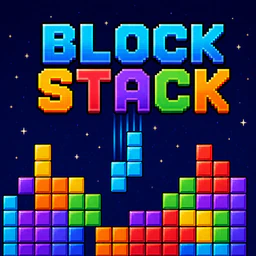
The arcade spans reflex, rhythm, memory, and service games. Each cartridge gets its own visual language while the console preserves a consistent entry and exit experience.




05 / What shipped
06 / Reflection
The strongest part of the project is the product frame around the games: a consistent shell made it possible to add variety without losing cohesion. If I continued, I would focus next on a unified onboarding layer and broader playtesting across touch, keyboard, and assistive input.Play Blossom Boy Arcade